
This is the first in our blog-only series, “Magic Overview”, that is sister to our newsletter-only “Pagan Overview” series. It is a very brief introduction into what magic is.
During this series we will explore what magic is, the scope of magic, different kinds of magic, magic in history, folklore, and religion.
Magic or Magick? A note on spelling.
The spelling can be a little contested, based on the meaning the user is intending to give the word. What follows are merely a few different spellings, intended as a basis for you to research more in your own time.
Magic:
The most common spelling. Refers to everything from the occult, the magic of fairytales, and stage magic.
Magick:
Revived by Aleister Crowley, the term was used in the 16th century by Heinreich Agrippa, a philosopher, physician and occultist. Those who chose to use this spelling often do so to differentiate their magick from the magic of folklore and sleight-of-hand. Other reasons include the numerology of this spelling and the magickal energy of the letter K.
Majick:
Coined by Laurie Cabot and used widely by Salem witches this spelling is often used for its numerological number, 2. The spelling is used to remind the witches of what majick is and keep it special.
What is magic?
Magic is a concept or belief about the way in which people encounter and attempt to control or direct the supernatural and other forces.
This may include gods, goddesses, spirits, elements, fairies, angels, demons, ghosts and ancestors.
The idea of magic is found globally throughout cultures and religions with a surprising amount of consistency, though these stories can also end with convoluted consequences. It has been theorized that it was one of the first forms of human understanding of the world, coming about even before religion, though this idea is disputed.
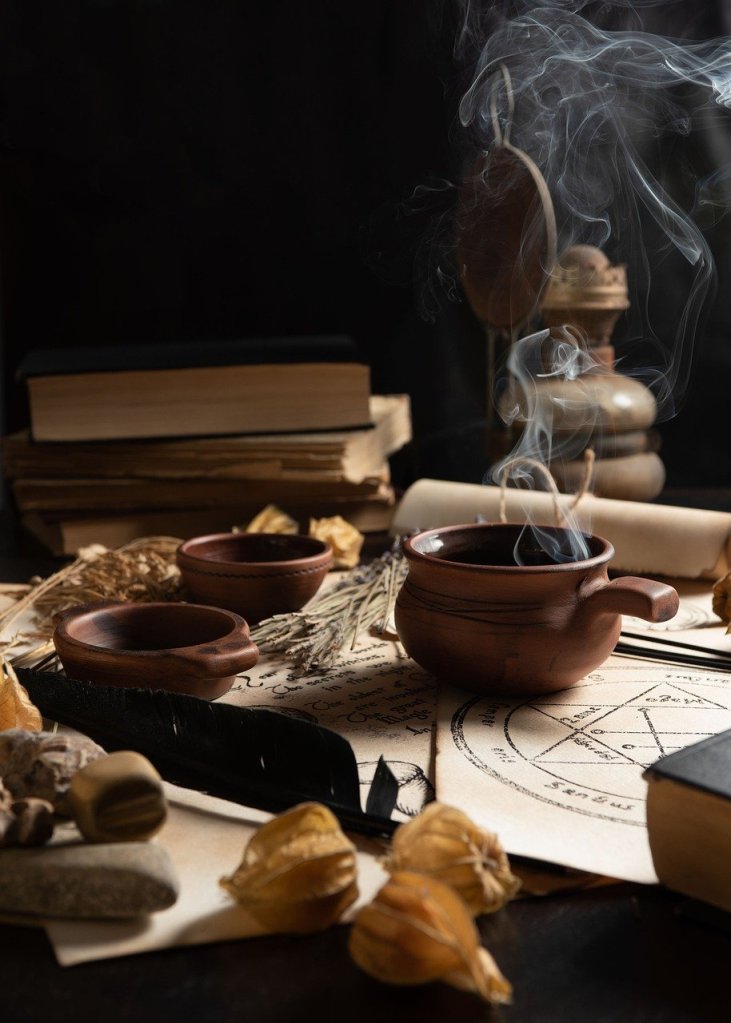
Magic is often seen as separate from religion or empirical observation. It is often used in conjunction with these however, and in many cases the lines particularly between magic and religion get blurred.
Among modern witches and members of the neo-paganism movement, magic is seen as the art of causation. Or as Aleister Crowley put it, “The science and art of causing change to occur in conformity with will”.
Personally one of my favourite things about magic is that it boils down to intention.
Now obviously it’s usually a lot more complicated than that, but without intention magic is largely useless at best and potentially dangerous at worst. And all magic, no matter what kind, has intention – unconscious or not – at its core.
Magic, particularly when energy has been raised (for example in rituals or spellwork), can have serious negative consequences due to a lack of direction or misdirection of energy. Once energy has been raised it needs to go somewhere and this is why it is essential to be very clear in your intention. If you are performing a spell for success but during the spellwork you are thinking of the lack of success you will have then the magic is going to go in the direction of your thoughts and undermine your success instead. Being clear in your intention also means knowing exactly what is it you need/want to happen and being specific in your words and thoughts.
Keep an eye out for our next post in this series, where we will be looking at the scope of how magic can be given form.
Blessed be,
The Holly and The Ivy

 Southern Light Newsletter